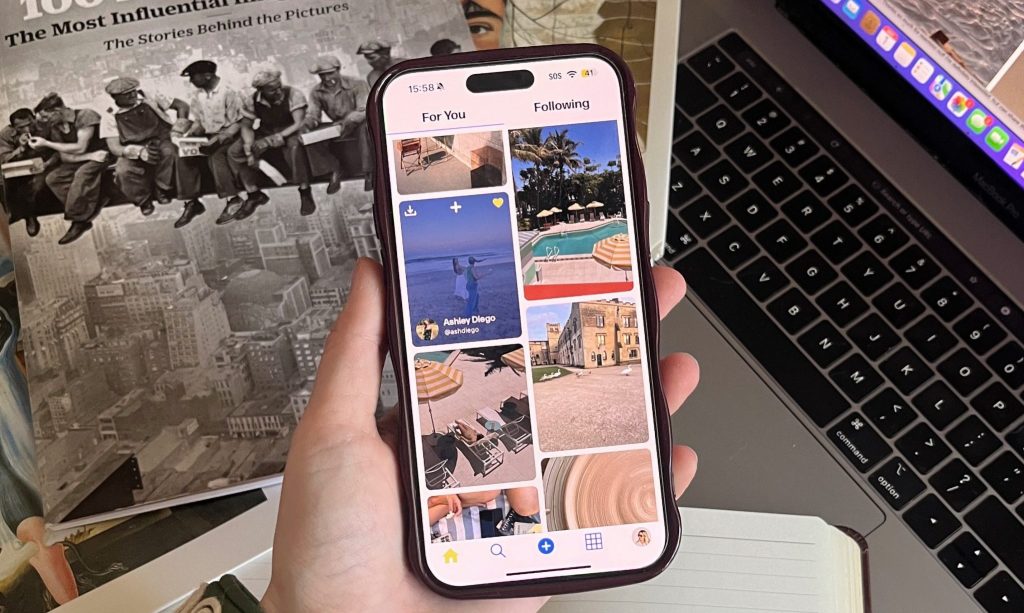
The scroll economy has fundamentally transformed how consumers discover brands, consume content and make purchasing decisions. Across platforms like Instagram, TikTok, Facebook and YouTube Shorts, users now navigate information through continuous scrolling feeds rather than traditional browsing.
In this new environment, attention has become the most valuable currency in digital marketing. Instead of reading long articles or navigating websites step by step, audiences move rapidly through algorithm-driven social media feeds, evaluating posts, videos and advertisements in seconds. Every swipe introduces new content competing for attention, creating an environment where brands must fight harder than ever to be noticed.
For marketers, the challenge is no longer just reaching the right audience. The real challenge is stopping the scroll. Understanding how the scroll economy influences consumer attention, content consumption and advertising performance is now essential for brands investing in paid social, performance marketing and digital advertising.
What Is the Scroll Economy in Digital Marketing?

The scroll economy refers to the modern digital ecosystem where consumer attention is captured through infinite scrolling feeds across social media platforms. Apps like TikTok, Instagram Reels and Facebook are built around continuous content streams. Algorithms analyse user behaviour and deliver personalised posts designed to maximise engagement and time spent on the platform. Instead of navigating between pages or actively searching for content, users simply scroll through a feed that constantly refreshes.
This behavioural model dramatically changes how people process information. Users rarely pause to fully analyse content. Instead, they make split-second decisions about whether a post deserves attention. For brands operating in the scroll economy, the first few seconds of a piece of content determine whether a viewer watches, engages or continues scrolling.
How Social Media Feeds Rewired Consumer Attention
The rise of social media feeds has changed the way audiences interact with digital content. Traditional web browsing required intention and focus. Users searched for information, opened pages and spent time reading.
Feed-based platforms encourage a completely different behaviour. Modern consumers process information through rapid visual scanning and short bursts of engagement. Each swipe introduces new stimuli competing for attention, forcing the brain to prioritise content that appears interesting or emotionally relevant.
Research consistently shows that the average attention window on social media is now measured in seconds rather than minutes. Users often decide whether to watch a video or scroll past it almost instantly. This behaviour has created what marketers call micro-attention moments. Brands have only a brief opportunity to capture interest before the viewer moves on. So, success depends on understanding how these micro-attention moments influence consumer behaviour.
Why Pattern Interrupts Matter in the Scroll Economy
In a feed filled with visually similar posts, the brain quickly filters out anything predictable. This is why pattern interrupt advertising has become a powerful creative strategy in paid social campaigns. A pattern interrupt occurs when a piece of content breaks the visual rhythm of the feed. It introduces something unexpected that forces the brain to pause and reassess what it is seeing.
Examples of pattern interrupts commonly used in high-performing social media ads include unexpected camera angles, sudden movement in the first seconds of a video, bold text overlays or a creator speaking directly to the camera.
These techniques work because they disrupt automatic scrolling behaviour. When the brain encounters something unusual, it temporarily stops scanning and begins processing the content more actively. For brands competing in the scroll economy, creating pattern interrupts is one of the most effective ways to capture attention within crowded social media feeds.
Visual Psychology and the Science of Attention
Visual psychology plays a crucial role in how content performs in feed-based environments. The human brain is naturally drawn to certain visual cues that signal relevance, emotion or social connection. Faces, eye contact and movement are particularly powerful attention triggers. This is why creator-style videos and founder-led advertising often outperform highly polished brand campaigns.
When viewers see a person speaking directly to them, their brain interprets the content as social interaction rather than advertising. This psychological response increases engagement and watch time. Colour contrast, visual motion and facial expressions also influence how quickly a piece of content is noticed while scrolling. These signals help the brain decide whether something deserves further attention, so visual cues can design content that performs more effectively in the scroll economy.
The Role of Pacing in High-Performing Content
In the age of infinite scrolling feeds, pacing has become one of the most important elements of creative performance. Traditional advertising often relied on slow storytelling and carefully crafted cinematic sequences. While these approaches can still work in long-form media, they often struggle in feed environments where attention is fragile.
Content that performs well on platforms like TikTok or Instagram typically moves quickly. Visual changes, edits and narrative shifts appear frequently enough to maintain engagement. Successful ads often follow a simple pacing structure. A strong hook captures attention in the first seconds, followed by a quick explanation of the problem, a demonstration of the product and a clear call to action. This rhythm aligns with how audiences naturally consume content while scrolling through social media feeds.
Why Authentic Content Performs Better in the Scroll Economy
One of the most surprising outcomes of the scroll economy is the rise of authentic, low-polish creative. Highly produced advertisements often signal to viewers that they are watching traditional marketing content. As a result, audiences may scroll past these ads without engaging.
Content that resembles organic posts tends to perform better because it blends naturally into social media feeds. Founder-led videos, customer testimonials and user-generated content often feel more relatable and genuine. These formats reduce scepticism and encourage viewers to watch for longer.
Authenticity does not mean sacrificing quality. It means designing creative that fits the visual language of social platforms. Brands that embrace this approach are better positioned to capture attention in the scroll economy.
How the Scroll Economy Changes Paid Social Strategy
The scroll economy has reshaped the way performance marketing campaigns are built and optimised. Instead of relying on a small number of highly polished advertisements, brands now benefit from producing multiple creative variations. Testing different hooks, visual styles and storytelling angles allows marketers to identify which elements stop the scroll most effectively. This approach also aligns with how advertising algorithms learn.
Platforms like Meta and TikTok rely on engagement signals to determine which content should be shown to larger audiences. The more creative variations a campaign tests, the more data the algorithm receives. This feedback loop helps identify winning creative patterns faster and improves campaign efficiency. For brands investing in paid social advertising, creative diversity has become one of the most important drivers of performance.
The Scroll Economy and the Future of Social Media Marketing
The scroll economy is redefining how social media marketing works. In the past, brands focused on publishing a post and hoping people would read the message. Today, the way people interact with social media is completely different. Users scroll quickly, pause briefly, and decide within seconds whether a piece of content is worth their time.
This behaviour means brands must create content that earns a response immediately. A scroll can stop when a message feels human, relevant or emotionally engaging. The goal is not simply to show an ad, but to make people react. A comment, a share or a save all signal that the content created a meaningful response.
In the scroll economy, these signals matter more than ever. Algorithms analyse every comment, reaction and engagement point to determine whether a post deserves wider distribution. Strong engagement creates a feedback loop where social media platforms continue to show the content to new audiences.
For marketers, this creates a new challenge. Brands must combine creative storytelling, audience insight and real-time analysis to understand what works. A single campaign rarely delivers the full picture. Instead, performance teams must analyse posts, read audience comments and use data to learn how people respond to different messages.
This is where strong communication and relationship building become essential. Social media is no longer just a channel for promotion. It is a place where brands and individuals interact directly. A thoughtful response to a comment or a founder replying to a question can strengthen the relationship between a brand and its audience.
Successful brands treat the scroll economy as a continuous learning environment. Each post, comment and interaction provides insight into how people perceive the brand. Over time, this analysis helps marketers refine their message, improve their creative strategy and build a more effective social media presence.
The brands that win in the scroll economy are those that move beyond simple promotion. They focus on creating relevant stories, delivering real value and maintaining authentic communication with their audience.
The Future of Consumer Attention
As social media platforms continue to evolve, the scroll economy will only become more competitive. Algorithms are constantly refining how content is ranked and distributed. At the same time, audiences are becoming increasingly skilled at filtering out content that feels irrelevant or overly promotional.
This means the future of digital marketing will rely heavily on creative strategy and attention psychology. Brands that understand how consumer attention works inside social media feeds will have a significant advantage over competitors relying on traditional advertising approaches. The ability to capture attention quickly and deliver value immediately will define successful marketing campaigns in the years ahead.
Conclusion
The scroll economy has fundamentally changed how people interact with digital content. Social media feeds have shortened attention spans, increased competition for visibility and transformed the way advertising works.
For marketers, this shift requires a new creative mindset. Pattern interrupts, visual psychology and effective pacing are no longer minor details. They are essential tools for capturing attention in feed-based environments.
Brands that adapt their strategy to the realities of the scroll economy will be able to engage audiences more effectively, improve advertising performance and turn fleeting attention into measurable growth.
In a world where consumers are constantly scrolling, the brands that succeed are the ones that know how to stop it.
FAQs
What is the scroll economy?
The scroll economy describes a digital environment where consumer attention is captured through continuous social media feeds. Platforms like TikTok and Instagram rely on infinite scrolling interfaces that encourage rapid content consumption.
Why is the scroll economy important for marketers?
The scroll economy changes how audiences interact with advertising. Users make quick decisions about whether content deserves attention, which means brands must create creative that stops the scroll quickly.
How do brands capture attention in the scroll economy?
Brands can capture attention through strong opening hooks, pattern interrupts, authentic creative formats and fast-paced storytelling that aligns with how users consume social media content.
Why do authentic ads perform better on social media?
Authentic ads often resemble organic content within feeds. Because they feel more natural and relatable, viewers are more likely to watch, engage and trust the message.
Favoured Insight: Turning Attention into Performance
At Favoured, we see the scroll economy as both a challenge and an opportunity for modern marketing teams. Social media feeds have changed the way people discover products, evaluate brands and make purchasing decisions. That shift requires brands to rethink how they create content and communicate online.
Our approach combines creative strategy, performance analysis and rapid testing to identify what truly resonates with audiences. Instead of relying on a single campaign idea, we help brands build systems that generate multiple creative variations, test different messages and learn from real user responses.
By analysing engagement signals, reading audience comments and tracking performance data, brands can uncover valuable insights about what people actually care about. Those insights become the foundation for stronger campaigns and more relevant communication.
In the scroll economy, the brands that grow fastest are not necessarily the ones with the biggest budgets. They are the ones that understand attention, create content that feels human and build genuine relationships with their audience.
That is where smart creative strategy becomes the most powerful marketing solution. Let’s talk.