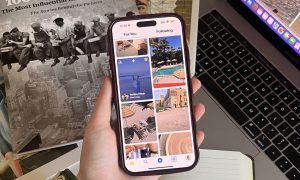
Scroll through Instagram for ten minutes and you’ll probably see the same handful of brands appearing over and over again.
A Rhode lip treatment sits on the bathroom shelf during a “Get Ready With Me”. Someone walks into a coffee shop wearing an Aimé Leon Dore cap. A Stanley cup appears on the desk during a work vlog before making another appearance in a Pilates class later that afternoon. By the evening, a Sporty & Rich sweatshirt has shown up in a completely different creator’s weekend photo dump.
Individually, those moments don’t feel particularly significant. Together, they reveal something interesting about the way brands are growing.
None of these products are being introduced with a hard sell. In most cases, they aren’t being introduced at all. They simply exist within a particular type of lifestyle, appearing often enough that they begin to feel familiar. Over time, the products become associated with a certain aesthetic, a particular routine or a way of living that audiences recognise almost instantly.
It’s a subtle shift, but an important one. The products themselves haven’t become secondary; they still need to be well designed, well made and genuinely useful. What has changed is the way people discover them and, increasingly, the reasons they choose one brand over another.
That has important implications for brand marketing strategy.
Brand Marketing Strategy Has Moved Beyond Product Differentiation
For decades, marketers were taught to focus on product differentiation. The objective was straightforward: identify what made a product better than its competitors and communicate that advantage clearly enough that customers would choose it.
In many categories, that approach is becoming more difficult.
The gap between competing products has narrowed considerably. Manufacturing has improved, information is easier to access and consumers can compare hundreds of reviews before making a purchase. A premium skincare brand is expected to formulate effective products. A running shoe should be comfortable. A coffee machine should make good coffee. These qualities still matter, but they are increasingly viewed as the baseline rather than a source of distinction.
As functional differences become smaller, emotional and cultural differences begin carrying more weight.
That’s one reason certain brands continue attracting disproportionate attention despite operating in highly competitive markets. Their products are often excellent, but so are many of their competitors’. What separates them is the consistency of the world they create around those products.
People don’t encounter Rhode solely through a product page. They see it in creators’ routines, on dressing tables, in travel videos and backstage at fashion events. Aimé Leon Dore has become closely associated with a particular vision of New York that extends well beyond clothing. Sporty & Rich has built an identity around wellness, nostalgia and understated luxury that feels remarkably coherent whether you’re looking at its social channels, editorial photography or physical retail spaces.
Over time, those repeated signals create familiarity. Familiarity builds trust. Eventually, consumers stop seeing individual products in isolation and begin recognising the broader identity they belong to.

Why Social Media Changed the Rules of Your Brand Marketing Strategy
Social media didn’t invent aspiration or lifestyle branding. Fashion houses, automotive brands and luxury retailers have understood those ideas for decades.
What platforms like Instagram and TikTok have changed is the speed at which cultural associations develop.
Products now appear repeatedly across thousands of independent creators rather than a handful of advertising campaigns. Someone might first notice a particular hoodie in a travel vlog, then see it again in a café recommendation, before spotting it in a friend’s holiday photos a few days later. None of those moments are coordinated in the way a traditional advertising campaign would be, yet together they reinforce exactly the same impression.
The brand starts to feel culturally present.
That constant exposure creates a very different relationship between brands and consumers. Discovery happens gradually rather than all at once, and recommendations feel embedded within everyday life instead of arriving as obvious marketing messages. As algorithms continue prioritising creator content over conventional advertising, those repeated lifestyle moments become one of the most effective ways for brands to establish relevance.
Perhaps the most interesting consequence is that products increasingly carry meaning beyond their practical purpose. A Stanley cup is still just a reusable water bottle, but the way it appears across social media has turned it into something more recognisable than its function alone would suggest. The same could be said for Rhode, Sporty & Rich or Aimé Leon Dore. Their popularity is rooted in product quality, but it has been amplified by culture.

The Brands That Understand Taste Better Than Their Competitors
The easiest way to understand this shift is to look at brands that have become culturally influential over the past five years. They come from different industries, target different audiences and operate at very different price points, yet they all share a common characteristic. Their marketing extends well beyond communicating the product itself.
Rhode
Rhode is often described as a skincare success story, but that only tells part of the story.
The products have undoubtedly resonated with consumers, yet it’s difficult to separate their popularity from the wider world Hailey Bieber has created around the brand. Scroll through Rhode’s social channels and you’ll notice that the focus rarely sits on ingredients or product claims for very long. Instead, the brand is immersed in routines, friendships, fashion, travel and beauty culture. The products appear naturally within those moments, making them feel less like purchases and more like part of a lifestyle that already exists.
That approach has encouraged thousands of creators to produce content that follows a similar visual language. Before long, Rhode stopped feeling like another skincare company and started feeling like a recognisable aesthetic in its own right.
Sporty & Rich
Sporty & Rich has followed a remarkably similar path.
On paper, the business sells sweatshirts, T-shirts and accessories. In practice, it has built an identity around a very specific interpretation of wellness culture. Vintage typography, tennis clubs, New York cafés, European holidays and understated luxury all appear so consistently that the products begin to feel inseparable from the lifestyle surrounding them.
Emily Oberg has spoken openly about building the brand through editorial thinking rather than traditional fashion marketing, and that influence is visible throughout the business. Social media, photography, collaborations and retail experiences all reinforce the same point of view without ever feeling repetitive.
Consumers aren’t simply buying clothing. They’re buying into a carefully curated perspective on modern lifestyle.
Aimé Leon Dore
Aimé Leon Dore provides one of the clearest examples of how taste compounds over time.
The New York label has spent years building a visual identity rooted in the city’s culture, drawing inspiration from basketball, cafés, tailoring, architecture and music. Individual collections matter, but they’re rarely presented in isolation. Instead, every campaign feels like another chapter in a much larger story.
What’s particularly interesting is that the clothes themselves are often understated. They don’t rely on loud logos or obvious branding. The appeal comes from the consistency of the creative direction, which has remained remarkably disciplined over time.
As a result, Aimé Leon Dore has become one of those brands that people recognise instantly, even when they can’t explain exactly why.
Jacquemus
Jacquemus has demonstrated that campaigns themselves can become cultural moments.
Whether it’s the now-famous lavender field runway, oversized handbags appearing unexpectedly around Paris or surreal fashion films shared across Instagram, Simon Porte Jacquemus has consistently treated marketing as an extension of the creative process rather than a separate commercial exercise.
Many of the brand’s most widely shared images don’t focus on selling individual products. They capture attention because they’re visually memorable, playful and immediately recognisable as Jacquemus.
That consistency has created a distinctive identity that audiences engage with long before they begin thinking about making a purchase.
Loewe
Few luxury brands have transformed their cultural position as successfully as Loewe.
Under Jonathan Anderson’s creative direction, the brand has steadily expanded beyond fashion into art, craft and design. Collaborations with Studio Ghibli, exhibitions at Salone del Mobile and campaigns featuring artists rather than conventional celebrities have broadened the conversation around the brand, giving people more reasons to engage with it beyond seasonal collections.
That wider cultural footprint has made Loewe feel less like a fashion label and more like an institution participating in contemporary creative culture.
Gymshark
Gymshark’s evolution is particularly interesting because it demonstrates how this approach isn’t limited to luxury brands.
In its early years, Gymshark’s marketing centred heavily on performance and product innovation. As the company grew, its content became increasingly focused on people. Founder updates from Ben Francis, creator partnerships, fitness events, documentaries and community initiatives all helped transform the business from an apparel company into a brand with a much broader identity.
Today, many consumers interact with Gymshark without immediately encountering a product at all. They’re watching athletes, following founders, attending events or consuming educational content that strengthens their relationship with the brand over time.
Why These Brands Feel Instantly Familiar
Although these brands operate in different markets, their marketing shares several common characteristics.
Each has developed a consistent visual identity that remains recognisable across every platform. Photography, typography, colour palettes and creative direction all reinforce the same perspective, whether someone discovers the brand through TikTok, Instagram or a physical retail space.
Just as importantly, none of them rely on isolated campaign moments to stay relevant. Their social channels feel like ongoing publications rather than promotional calendars, allowing audiences to become familiar with the brand gradually rather than only hearing from it during product launches.
That consistency matters because familiarity influences decision-making in ways that are often difficult to measure directly. By the time many consumers decide to purchase from Rhode, Sporty & Rich or Aimé Leon Dore, they already feel as though they’ve spent months, or even years, around the brand. The purchase isn’t driven by a single advert. It’s the culmination of hundreds of small interactions that have quietly built recognition, trust and affinity.

Why Algorithms Are Rewarding Brands With a Point of View
One of the less obvious consequences of the rise of TikTok, Instagram Reels and YouTube Shorts is that algorithms have become remarkably effective at identifying content that people genuinely want to spend time with. While each platform uses different ranking signals, they all have a common objective: keeping users engaged for as long as possible.
That changes the role of brand marketing strategy.
Content that generates conversation, saves, shares and repeat viewing tends to travel further than content designed purely to communicate a product benefit. The distinction matters because people rarely share an advert with friends simply because it explains a product well. They share content that reflects something about themselves, introduces them to a new idea or captures a feeling they recognise.
Brands with a distinctive point of view naturally produce more of that type of content. Their campaigns, creator partnerships and social posts don’t exist in isolation; they all reinforce the same creative identity. As a result, audiences begin recognising the brand long before they actively consider buying from it.
That familiarity creates a compounding effect. Every interaction makes the next interaction more meaningful, allowing the brand to build equity through hundreds of small moments rather than relying on a handful of major campaigns each year.
AI Will Make Taste More Valuable, Not Less
The rapid development of AI has understandably created concern that creative work will become increasingly automated. Generating images, writing copy and producing video concepts is already significantly faster than it was only a few years ago. Ironically, those advances may make originality even more valuable.
As creative production becomes more accessible, the barrier to producing competent marketing continues to fall. Well-designed adverts, polished visuals and technically strong campaigns are becoming easier to create regardless of budget or team size. The challenge is that competence rarely creates distinction. What remains difficult to automate is judgment.
Knowing which cultural references feel relevant, understanding when a visual trend has reached saturation or recognising the difference between copying an aesthetic and creating one all require a level of creative direction that technology still struggles to replicate.
That is why brands with a strong editorial perspective are likely to become increasingly valuable over the coming years. AI can help produce content, but it cannot easily establish taste. It can generate ideas, but it cannot build cultural credibility overnight.
For marketers, that means investing in creative thinking becomes more important, not less.
What This Means for Your Brand Marketing Strategy
Not every business needs to become a fashion label or a lifestyle brand, and not every category lends itself to the same type of visual storytelling. The principle, however, is remarkably consistent regardless of industry.
The strongest brands are intentional about how they show up. Over time, that consistency shapes how people remember them.
That starts with asking broader questions than product positioning alone.
How should the brand feel when someone encounters it for the first time? What kind of creators naturally align with it? Does every campaign reinforce the same point of view, or does the identity change every quarter? If somebody removed the logo from a piece of content, would people still recognise who produced it?
Those questions rarely appear in performance dashboards, yet they often determine whether a brand becomes memorable or interchangeable.
Building that level of consistency takes time, but it also creates an advantage that becomes increasingly difficult for competitors to replicate. Products can be reverse-engineered, pricing strategies can be copied and media budgets fluctuate. A distinctive identity built through years of consistent creative decisions is much harder to imitate.
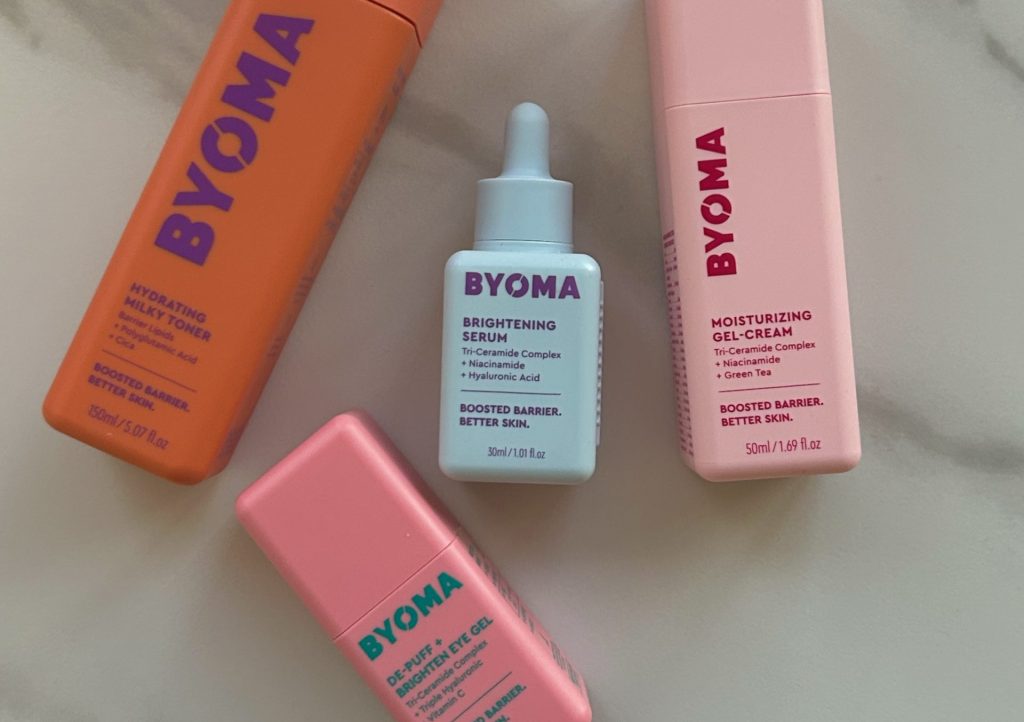
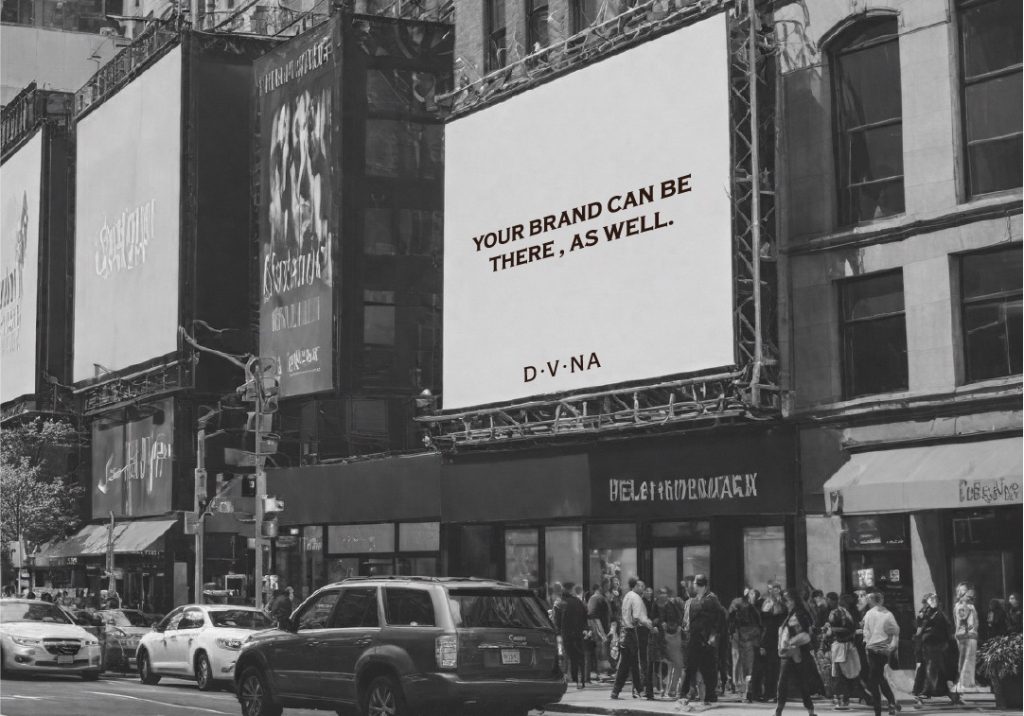
Favoured’s Perspective on Brand Marketing Strategy
One of the biggest misconceptions in modern marketing is that brands need to choose between performance and brand building.
In reality, the strongest performing brands tend to be the ones that have invested in both.
Performance marketing becomes significantly more efficient when people already recognise the brand appearing in their feed. Creative testing becomes more valuable when every variation is built on a clear identity rather than a collection of disconnected ideas. Even creator partnerships become easier to scale because the creators understand the world they’re stepping into.
That’s why we see brand marketing strategy as something that should influence every part of the customer journey, not just the top of the funnel. Paid social, creator campaigns, landing pages, email, organic content and creative production all contribute to the same impression over time. When those touchpoints feel connected, the brand becomes easier to recognise and, ultimately, easier to choose.
For us, the most interesting brands aren’t necessarily those with the biggest budgets or the loudest campaigns. They’re the ones with a clear point of view that runs consistently through everything they create. That’s what turns a business into a brand people actively seek out rather than simply discover.
Final Thoughts
The conversation around brand marketing strategy has changed considerably over the past decade. Consumers still expect excellent products, competitive pricing and strong customer experiences, but those qualities are increasingly viewed as the starting point rather than the finish line.
What often separates the brands that become culturally influential from those that simply compete is the consistency of the world they build around their products. Whether it’s Rhode’s approach to beauty, Aimé Leon Dore’s interpretation of New York, Sporty & Rich’s vision of modern wellness or Gymshark’s commitment to community, each has developed an identity that extends far beyond individual campaigns.
That doesn’t happen through one viral moment or a single successful advert. It’s the result of hundreds of creative decisions that reinforce the same perspective over time.
As social platforms continue to reward originality, community and meaningful engagement, brands with a distinctive point of view are likely to become increasingly valuable. In a market where good products are more accessible than ever, taste has become one of the few competitive advantages that cannot be easily copied.
Frequently Asked Questions
What is a brand marketing strategy?
A brand marketing strategy is a long-term plan for shaping how people perceive and remember a business. It goes beyond promoting products by defining a brand’s identity, positioning, creative direction and relationship with its audience.
Why are brands like Rhode and Sporty & Rich so successful?
Both brands have built highly recognisable identities that extend beyond their products. Through consistent creative direction, founder influence and community engagement, they’ve created brands that people want to associate with as much as they want to purchase from.
How does social media influence brand marketing strategy?
Social platforms expose consumers to brands through creators, routines and everyday moments rather than traditional advertising alone. This means consistency, cultural relevance and storytelling play a much larger role in building recognition and trust.
Can smaller brands benefit from this approach?
Absolutely. Building a distinctive identity doesn’t require celebrity founders or luxury budgets. It requires consistency across creative, a clear understanding of the audience and a willingness to develop a recognisable point of view over time.
Why is taste becoming more important in marketing?
As products become easier to compare and creative production becomes increasingly accessible through AI, the way a brand is perceived becomes a greater source of differentiation. Brands with a distinctive aesthetic, consistent identity and strong cultural relevance are often better placed to earn attention, build loyalty and create long-term value.