If January was the warm-up, February is the “oh wait, this is the vibe now” month. Across the UK and US, TikTok is moving in two directions at once: harder into feelings and reality, and backwards into nostalgia — like the internet’s doing a lil moonwalk into 2016 while clutching a therapy journal.
Below is an easy-to-scan, in-depth view of what’s popping right now — and how brands can actually use it without looking like your mate’s dad trying to say “slay”.
1) “2026 is the new 2016” nostalgia is everywhere (and it’s more than a meme)
The “2026 is the new 2016” wave is one of the biggest cross-market cultural moments right now. People are posting throwbacks, resurrecting old aesthetics (filters, fits, music), and romanticising a time that felt more… carefree. It’s hitting in both the UK and US because it’s not really about skinny jeans — it’s about emotional escapism in a chaotic era.
What it looks like on TikTok (right now):
- “Then vs now” edits with 2016 visuals
- Throwback fashion/beauty (matte looks, maximalism, “old internet” energy)
- Captions that read like diary entries from your iPhone 6 era
How brands can use it without cringe:
- Don’t cosplay 2016. Borrow the spirit: messy joy, impulsive fun, less polished content.
- Use archive footage, “how it started/how it’s going,” staff throwbacks, or product origin stories.
- Make it specific: the more detailed, the more shareable (e.g., “2016 me thought this was peak performance…”).
Bonus: this trend plays insanely well with Valentine’s season (throwback “first love” edits, friendship nostalgia, “who I was before heartbreak and oat milk” vibes).
2) Reality content is winning: unfiltered BTS > polished perfection
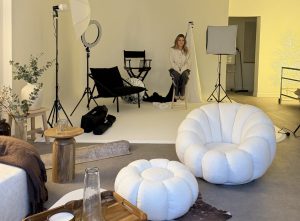
TikTok’s own 2026 forecast is loud about this: audiences are gravitating toward unfiltered stories, behind-the-scenes, real processes and real people. Translation: the era of hyper-curated brand content is getting side-eyed.
What’s working:
- “Here’s what actually happened” storytelling
- Process videos (packing orders, product testing, behind the shoot)
- Real reactions, real opinions, real receipts (lightly chaotic = high trust)
UK vs US flavour:
- UK: dry humour + self-awareness (“this is held together by a Tesco meal deal and vibes” energy).
- US: earnest motivation + transformation arcs (“watch me go from mess to main character”).
Brand playbook:
- Build a weekly rhythm of process content (1–2x/week).
- Let staff/creators speak in their actual voice (scripted is fine — sounding scripted isn’t).
- Show “before” moments: the messy desk, the rejected takes, the imperfect draft.
3) “What year were you born?” and the wider time-warp comedy format
This format is doing the rounds: people ask someone their birth year, then smash cut to a playful visual gag about how ancient/young they are. It’s workplace-friendly, creator-friendly, and works in almost any niche.
Why it spreads:
- Easy to replicate
- Invites duets/stitches
- Lets communities clown each other affectionately (internet’s favourite sport)
Brand angle:
- Use it for audience segmentation (“born in 1998? you remember…”).
- Do it with product eras (“born before oat milk was mainstream? you deserve financial compensation”).
- Great for office content: teams, founders, store staff, creators.
4) Audio is still a rocket booster — but use it strategica
Trending audio is still a major discovery lever, and February has a fresh crop of viral tracks and sounds being tracked by tools and social publishers.
The move in 2026:
Don’t rely on audio alone. Combine trending sound + native format + strong first line.
A simple formula:
- Hook (0–1s): “I didn’t realise this was the reason I felt ____.”
- Proof (1–6s): show it, don’t explain it
- Payoff (6–12s): the twist / result / relatable punchline
- Soft CTA: “save this for later” / “which one are you?” / “be honest…”
What to do this month (the February 2026 checklist)
- Run a nostalgia activation (more “emotion + memory” than “costume party”).
- Post weekly BTS/process content that proves you’re real.
- Build one repeatable format (time-warp Q, analogue ritual, office series).
- Tap micro-communities and stop trying to appeal to “everyone”.
- Use trending audio as seasoning, not the meal.
February 2026 marks a clear shift in how people are using TikTok — and why. Audiences across the UK and US are gravitating toward content that feels emotionally familiar, unpolished, and human: nostalgic throwbacks, behind-the-scenes reality, offline rituals, and niche community formats that prioritise connection over performance. This isn’t a rejection of creativity or production; it’s a demand for relevance and honesty in a noisy digital landscape. Brands that win in this moment are the ones embedding themselves naturally into culture — showing process, embracing imperfection, speaking in a real voice, and tapping into formats people already love rather than forcing attention. In a feed driven by trust, relatability, and emotional resonance, following these trends isn’t about chasing virality — it’s about staying visible, credible, and culturally fluent where attention actually lives.